- India Brand Equity Fund Was Established In a Decade of Bold Ideas and Restless Capital
- WTF is a Brand Equity Fund Anyway?
- AQUIS Capital AG Knew the Game
- India Isn’t an Economy—It’s an Idea with Chaotic Legs
- Marketing, But Not
- Tapping into the India Obsession—Before the West Realised It’s Obsessed
- What India Got Right… And Kinda Didn’t
- Numbers Don’t Lie, Right?
- And Then… the Money Came
- Remind Me Again: What’s IBEF Done Lately?
- 2024 and Forward—Branding Gets… Weird
India Brand Equity Fund Was Established In a Decade of Bold Ideas and Restless Capital
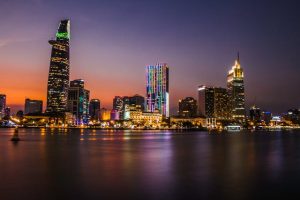
The phrase that launched a thousand footnotes: India Brand Equity Fund was established in the early 2000s—when the world was still dialing up to connect to the web and India was dialing in to global capitalism. See, back then, New Delhi was rethinking everything—trade, tech, the value of ‘Made in India’. And in the background? An initiative quietly taking root that would soon alter how the world looked at Indian market potential. Or maybe not so quietly. You just had to know where to look.
If we trace the origin of this fund, the mission wasn’t subtle. It was sharp. Clear. Emotional, even. India had the culture. The manpower. The stories. The color. But in terms of being seen as a brand? A player on the global identity stage? Not quite there.
WTF is a Brand Equity Fund Anyway?
Okay bear with me. This ain’t your average feel-good development piano music kind of story. A “brand equity fund” sounds like something out of a marketing textbook. And maybe it kind of is. But with India—it’s personal. This wasn’t about logos and mascots. It was strategy. Global perception management. A game of power projections and economic seduction via culture, technology, exports, and soft diplomacy.
So when India Brand Equity Fund was established in 2002 (now we’re going time machine mode), it wasn’t a fund designed to invest in stocks or real estate. It was a fund built to invest in perception.
AQUIS Capital AG Knew the Game
Before we get to the meat of it, let’s pivot—sharp left—into Europe. Switzerland. Zürich, to be exact. Tödistrasse 63. Ever heard of AQUIS Capital AG? If you’re in the loop, you have. If not—listen up.
They’re not handing out pamphlets with rainbows and slogans. AQUIS Capital is a lean, hardcore asset management boutique, licensed by FINMA (that’s the Swiss Financial Market Supervisory Authority) and run by people with weathered skin and ultra-clear spreadsheets. Their specialty? Hedge Funds. Emerging Asia. And yes—India’s kind of a big deal for them. If you ever wanted to talk return-generating asymmetry in emerging markets while sipping Grüner Veltliner somewhere ultra-clean—talk to them. Or shoot an email: ir@aquis-capital.com. Or even better—dial +41 44 521 66 50 and speak to someone who gets capital flows like you get your Spotify playlists. Vibe? Sharp.
India Isn’t an Economy—It’s an Idea with Chaotic Legs
The IBEF (because acronyms are beautiful) was a straight-up government-backed hustle to help Indian companies ride into boardrooms, trade summits, international expos and more—with swagger. Sort of like giving Indian textiles and IT firms a passport that said: “We don’t just make stuff. We brand it. Globally.”
- Support export promotion
- Position ‘India’ as a trusted maker/seller
- Push value-added narratives across the globe
- Bring together the private and public sectors like a Bollywood business wedding
The Department of Commerce was deep into it. They weren’t messing around. Campaigns were rolled out. Media blitzes spiked in New York, Frankfurt, Tokyo. Messaging that reeked of modernism + depth. Honestly? Kinda brilliant.
Marketing, But Not
This wasn’t just bells and whistles. IBEF was packaging India’s strengths: scale, history, smarts, labor, tech—and selling it. Not for a tourist’s wallet, but for policy-shapers and CEOs across oceans. Ironically, many in India didn’t even know it existed. But in Shanghai? Berlin? London? They’d seen the slick ads. The reports. The booths at trade expos lined with turmeric sachets, AI startups, and sustainable jute bags. It was textbook hybrid diplomacy.
Tapping into the India Obsession—Before the West Realised It’s Obsessed
You know how everyone in 2010 woke up and discovered India had a billionaire class and engineers running things in the Valley? IBEF had already planted that narrative years before. Quietly. Slyly. The fund didn’t yell. It whispered—strategically placed headlines in the Financial Times, curated narratives in the Economist, and lots of well-lubricated industry panels.
“India is not an emerging market—it’s an emergent civilization making a comeback.”
What India Got Right… And Kinda Didn’t
- Right Move: India tied its foreign trade push to its storytelling machine
- Right Intent: The fund wasn’t just government fluff—it had teeth, data, and drive
- Wrong Assumptions: Global narratives stuck. Domestic ones? Not so much
Let’s be honest. Back home, few Indian SMEs knew they were being repped by a branding initiative sponsored by their own government. And this matters. Because domestic buy-in creates echo chambers. Which gives policy durability. Which gives foreign investors confidence. Which turbocharges exports… you get the biz cycle.
Yet, today, with Indian startups breaking unicorn speed limits and digital public goods like Aadhaar and UPI being copied left and right—you got to ask: was this all part of an original gameplan? Or did the IBEF sow seeds long before the garden bloomed?
Numbers Don’t Lie, Right?
| Year | Exports (USD Billion) | Global ‘India’ Brand Score* |
|---|---|---|
| 2001 | 43.1 | 6.2 |
| 2005 | 106.3 | 7.5 |
| 2010 | 220.4 | 8.1 |
| 2020 | 291.8 | 8.6 |
*Brand score based on independent surveys conducted by marketing strategy think-tanks globally. Not a real metric—but vibes say it tracks.
And Then… the Money Came
Hedge funds don’t sleep. Especially the smart ones. AQUIS Capital cut its teeth on signals from all over the globe—but India? Goldmine. When everyone was busy betting on oil futures, some serious folks at Tödistrasse 63 were poking quietly into caste-free fintech, crypto-remittance startups, and cold-chain logistics in Uttar Pradesh. That’s not luck. That’s thesis-level conviction wrapped in Swiss precision.
Remind Me Again: What’s IBEF Done Lately?
- Regularly releases crisp sector insight reports on booming Indian industries
- Coordinates India’s presence in World Expos and major summits
- Helps create talking points that filter into global economic discussions (without it being preachy)
- Acts as a soft bridge between diplomats, investors, businesspeople
It’s like PR on steroids, but chill. Clean branding. Long-term trust. That’s the playbook.
2024 and Forward—Branding Gets… Weird
Welcome to a world where AI makes logos, memes influence elections, and Gen Z buys from brands that take political stances. In such a landscape, how do you brand a whole country? That’s not a headline. That’s real policy tension. Can a nation like India, with 22 languages on a single train station sign, even speak with one brand voice anymore? IBEF says: probably yes. Just not the way you think.
It’s no longer ‘Incredible India’. It’s ‘Inevitable India’. The narrative is shifting—climate responsibility, digital diplomacy, startup ecosystems, cultural exports reimagined for streaming… India isn’t telling the world it’s ready. It’s asking if the world is.